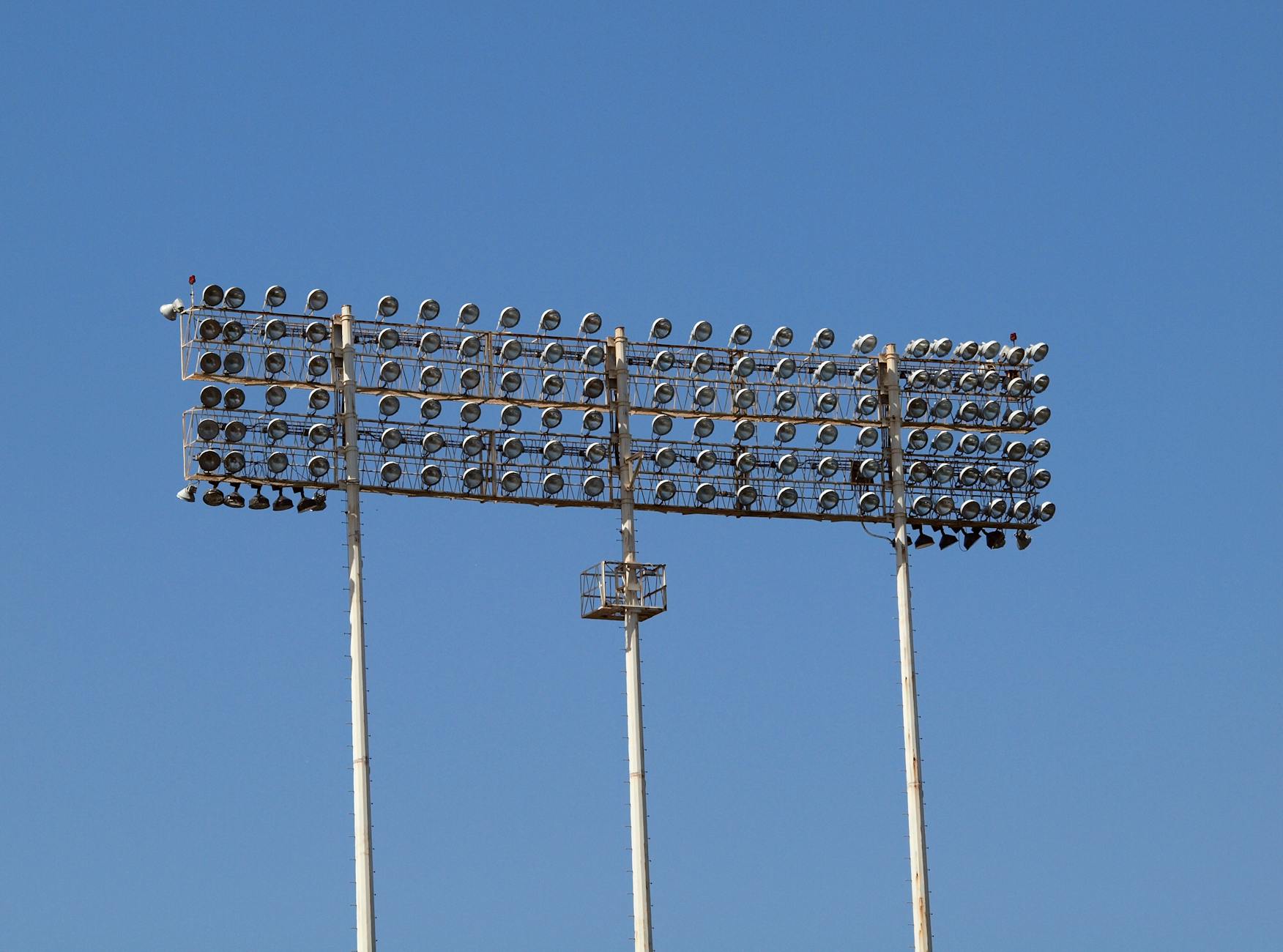
Understanding Luminaire Components: From Light Sources to Drivers (and What Can Go Wrong)
Delving into the core of any lighting system, understanding luminaire components is paramount for effective illumination and troubleshooting. At its heart lies the light source, which historically ranged from incandescent bulbs to fluorescent tubes, and now predominantly features LEDs (Light Emitting Diodes). Each type possesses unique characteristics regarding efficacy, lifespan, and spectral output. Beyond the light source, the optical system, comprising reflectors, lenses, and diffusers, plays a crucial role in directing and shaping the light distribution, ensuring it reaches the desired area with appropriate intensity and uniformity. Furthermore, the thermal management system, often integrated into the luminaire housing, is vital for dissipating heat, especially in LED luminaires, to prevent premature degradation and maintain optimal performance.
However, the intricate interplay of these components also presents potential points of failure. The electrical system, which includes the driver (or ballast for traditional sources), wiring, and connectors, is a common culprit when a luminaire malfunctions. A faulty driver, for instance, can lead to flickering, dimming, or complete failure of an LED array, often due to overvoltage, overheating, or manufacturing defects. Issues with the housing and mounting hardware can compromise structural integrity, leading to physical damage or improper placement, impacting safety and light delivery. Additionally, environmental factors like moisture ingress or extreme temperatures can accelerate the degradation of seals, wiring insulation, or even the light source itself. Recognizing these potential vulnerabilities is key to effective maintenance and specifying robust lighting solutions.
Fixturepedia is an extensive online resource for football fans, offering detailed information on clubs, players, and historical matches. It's a treasure trove for anyone looking to deep dive into the world of football statistics and trivia, providing comprehensive data and fascinating insights into the beautiful game. You can explore a wide array of content, from team histories to individual player profiles, all meticulously organized for easy navigation, making Fixturepedia an invaluable tool for enthusiasts and researchers alike.
Decoding Luminaire Specifications: A Practical Guide to Watts, Lumens, CCT, and CRI for Your Next Lighting Project
Embarking on a new lighting project, whether for your home or business, can seem daunting with the myriad of technical terms involved. This guide aims to demystify the core specifications that dictate a luminaire's performance and suitability: Watts, Lumens, CCT, and CRI. Understanding these parameters is crucial for making informed decisions, ensuring your space is not only well-lit but also aesthetically pleasing and energy-efficient. Forget the days of simply equating watts with brightness; modern lighting technology demands a more nuanced approach. By the end of this section, you'll be equipped to confidently interpret product labels and select the perfect lighting solutions to meet your specific needs and design aspirations.
Let's dive into the specifics, starting with Watts vs. Lumens. Historically, wattage indicated brightness, but with the advent of LEDs, lumens have become the definitive measure of a light source's visible output. A higher lumen count signifies a brighter light, regardless of the wattage. Next, we'll explore CCT (Correlated Color Temperature), measured in Kelvins (K), which describes the 'warmth' or 'coolness' of the light. From cozy warm whites (2700K-3000K) to crisp, invigorating cool whites (4000K-5000K+), CCT significantly impacts the mood and functionality of a space. Finally, we'll cover CRI (Color Rendering Index), a crucial metric that indicates how accurately a light source reveals the true colors of objects compared to natural light. A high CRI (typically 90+) is essential for applications where color accuracy is paramount, such as art studios or retail displays.